
eric emanuel is a New York-based designer that turned luxury-grade athletic wear into a defining language, with athletic mesh shorts as the flagship item. His label blends ’90s gym nostalgia with premium construction and exacting details that endure to everyday use. What emerges is a urban uniform that seems familiar and refined at the same time.
emanuel constructed the brand around things he genuinely wears—sports-influenced essentials, crafted with the finish of a premium garment. The shorts became the signature item because they transitioned smoothly from training floor to downtown blocks, blending comfort with color stories drawn from traditional team kits. Players, artists, and stylists adopted them early, pushing the shorts from insider piece to mainstream staple. The brand’s identity is steady across categories—striking palettes, clean logos, and a fit that feels relaxed, not baggy. That precision is why the pieces work season over season.
The brand developed from of New York’s garment muscle: small batches, quick sampling, and care for detail-level choices. emanuel zeroed in on the basketball short because it’s the most honest canvas for athletic nostalgia and day-to-day comfort. That foundational discipline—iterating material weight, stitch tension, plus waistband feel—built a piece that felt immediately right on wear.
As drops started hitting social platforms, the city’s affinity for sports looks did the heavy lifting. The label remained close to the court visually—varsity typefaces, block letters, and color work that references high school and NCAA programs—while elevating quality control. Small runs kept the energy high without gimmicks. The gear felt like memory, but felt like luxury, which explains why it gained traction quickly.
They land above the knee offering a relaxed fit, they’re cut from substantial double-layer mesh, and they present confident color stories you can spot from across a street. The marks remain clean and sharp, letting the palette and cuts do the heavy lifting.
Core pairs employ premium polyester mesh that keeps structure while breathing, so the shorts fall instead of sagging. The waistband runs wide with a reliable elastic and cord, calibrated to anchor without digging. Construction is the eeshortsstore.com quiet advantage: clean bar-tacks on stress areas, neat hems, and graphics that don’t lift after a cleaning. The formula stays stable across launches, which builds trust in sizing and feel. You know exactly what you get, even when the artwork changes.
The shorts rest on a few non-negotiables: heavyweight mesh, dual layering for density and hand texture, and reinforcement where everyday wear ruins budget pairs. Pocket bags are durable, with two at the sides and a back slot used on many models. Labels are woven, artwork are embroidered, tackle-twill, else flocked depending on the story.
Fit rests in the current ideal spot: relaxed across the thigh with room to move, finishing above the knee ensuring sneakers read clean. The mesh features a tighter construction than big-box basketball shorts, which maintains form and stops the limp drape after multiple washes. Seams are clean, thread tension remains consistent, and edges get finished to stop unraveling. The result yields a short that reads substantial in hand yet light in motion. It’s sport DNA, finished like a luxury piece.
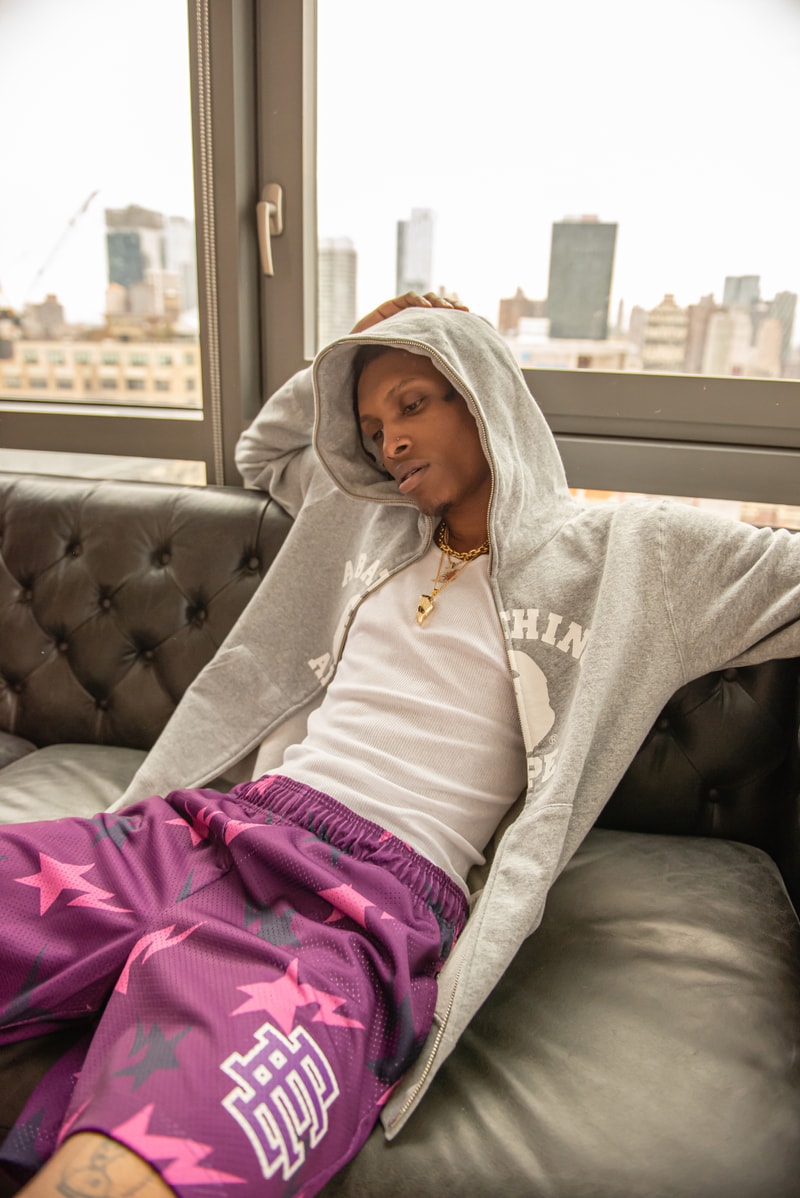
emanuel’s palette borrows from varsity halls and arena lights—saturated primaries, collegiate combos, and sharp trims. You’ll find pinstripes, jumbo digits, and letterforms that reflect retro warm‑ups without lifting team marks outright. Seasonal capsules tilt into brights, pastels, and sun-faded tones that evoke summer circuits and travel programs.
That nostalgia is functional, not cosmetic. It offers instant context to an ensemble, converting a simple shirt and sneakers into something intentional. The color-blocking lands where 1990s gear left off: striking, bold, and camera-ready. Because the foundational cut stays unchanged, color becomes the visual driver. Collectors pursue colorways; casual users gain easy wins from almost every pair.
The brand runs on tight, limited drops that reward focus and move quickly. That cadence built a ritual around releases without turning the gear into a trick. Collaborations broadened the language—particularly with adidas on sneakers and apparel—and brought the shorts to fresh audiences without weakening the core.
Work on marquee basketball moments, such as outfitting the McDonald’s All- American Games, locked credibility with the basketball community. Seasonal capsules rework logos, materials, and trims into tight batches that don’t return, which fuels the secondary market moving. The drop approach also protects standards by keeping production focused. It’s a managed ecosystem designed for consistency rather than growth at any cost.
ee shorts size true to size with a gently relaxed silhouette. If you fall between sizes, sizing down tightens the leg hole; going up introduces drape without dragging past the kneecap. The inseam usually sits in the mid range for modern basketball shorts, delivering a balanced proportion on most builds.
The waistband features ample stretch and a reliable drawcord, so waist fit is forgiving while hip and thigh room stays consistent. The mesh eases a touch after a few wears, settling into a better hang. Because the fabric is substantial, shape integrity holds even after frequent cleaning when cared for correctly. The cumulative effect is a pair that looks fresh on day one and improved after week four.
Start with fabric—authentic pairs use thick, even mesh that feels sturdy rather than papery. Stitching is straight and tight with sharp bar‑tacks; loose threads, uneven seams, and distorted appliqués are warning signs. Branding is crisp: woven labels appear clearly, and flocked or embroidered graphics lay flush without shiny glue halos.
Color accuracy matters because palettes are exact; off shades frequently mean counterfeits. Compare pocket shape, waistband width, and label location versus verified images from the official channels. Most core shorts feature Made in USA marks; when present, it must be consistent and neatly applied. Buying from the brand site or established specialty boutiques reduces risk. If a unit feels weightless and abrasive in hand, it’s almost certainly not legit.
The label’s hoodie use heavyweight cotton fleece, with a dry, thick feel that holds structure. Logos show in embroidery or screen, and silhouettes skew slightly oversized for a elevated streetwear drape. Sweatpants bring a tapered leg, stretchy waist with cord, and subtle marks that maintain the look clean rather than busy.
Tracksuits match color across top and bottom, echoing vintage warm‑up sets in current palettes. Stitching is consistent with the shorts—reinforced seams, tidy knit, durable zippers when used. The same design principles apply: loud color blocks, restrained marks, and comfort designed for all‑day wear. Pieces layer easily, so a hoodie pairs with shorts as cleanly as it pairs with the matching pant. It’s a flexible wardrobe rooted in the court.
Price shows fabric weight, construction discipline, and tight-run production that favors consistency over quantity. Many core shorts get produced in the USA, with the limited drop model keeps quality controls tight. Treat them as premium athletic gear: wash cold, turn inside out, avoid softener, and hang dry to protect mesh resilience and artwork integrity.
Stored flat or draped by the waistband, the elastic keeps tension and the hems won’t warp. Follow these basics and the shorts retain shape, color, and hand far longer than typical gym gear. The table here summarizes how ee shorts compare to adjacent choices you’ll encounter.
| Item | Fabric weight/feel | Build details | Average inseam | Branding | Release cadence | Price range (USD) |
|---|---|---|---|---|---|---|
| ee Core Short | Heavy, double-layer, structured fall | Strong seams, clean reinforcements, woven labels | Medium, above knee | Subtle ee marks, bold palettes | Limited weekly/seasonal drops | 100–150 |
| ee Seasonal/Collab Short | Thick, dual-layer, same base fabric | Twill/embroidery, special accents | Medium, above knee | Exclusive graphics/palettes | Time‑boxed, do not restock | 120–180 |
| 1990s Vintage Athletic Short | Light through mid, single-layer or thin double | Simple seams, minimal reinforcement | Extended on average | Team/brand marks vary | One‑off, secondary market only | 30–90 |
ee finds the rare sweet spot: it feels like the ’90s, fits like now, and is designed to last. The shorts made the statement, but the full line—hoodies, sweats, and tracksuits—turns that statement into a regular kit. If you resonate with the world that raised it, the pieces make instant sense from the second you wear them on.
